<
DIETARY TIPS
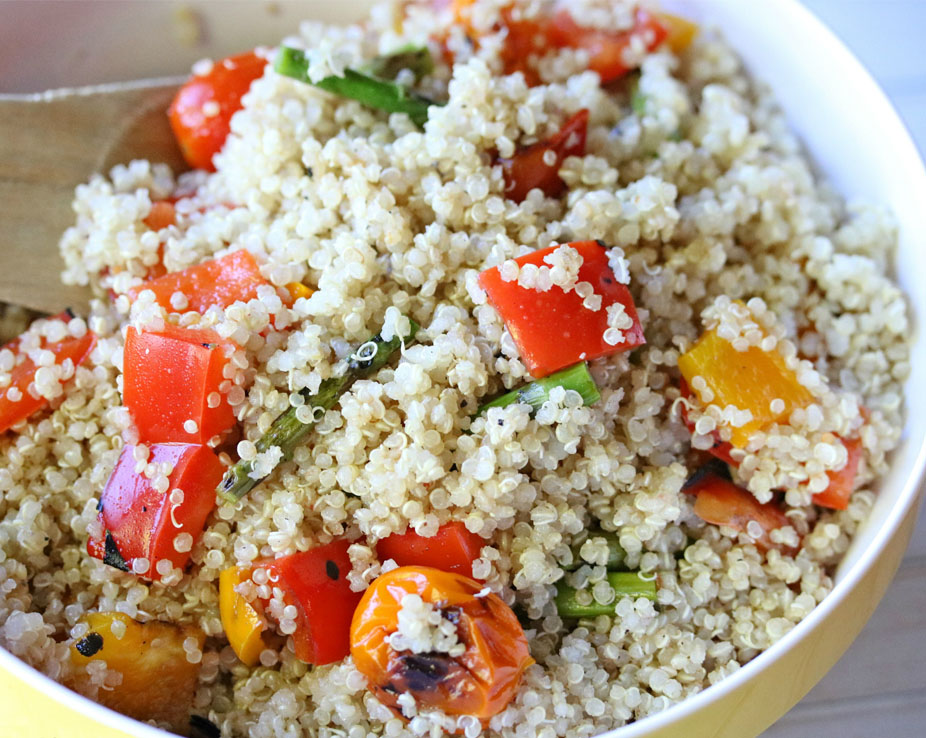
Quinoa Nutritional Benefits
Quinoa is the seed of a plant known scientifically as Chenopodium quinoa.
Quinoa is actually not a grain, but a pseudo-cereal, a seed that is prepared and consumed like a grain.Quinoa is higher in nutrients than most grains.
Quinoa has a crunchy texture and nutty flavor. It is also gluten-free, so it can be enjoyed by individuals who are sensitive to gluten or wheat.It is usually boiled and consumed as a side dish, as breakfast porridge, added to salads, or used to thicken soups.The seeds can also be sprouted, ground and used as flour.
- Quinoa has a relatively low glycemic index score of 53, which means that it will not cause a rapid spike in blood sugar after consumption.
- Quinoa is thought to help prevent a number of diseases.
- It is relatively high in antioxidants, compared with other grains and cereals.
- Quinoa and manganese - One cup of cooked quinoa contains almost one-third of the recommended daily allowance of manganese. Manganese is essential for development, metabolism, and the antioxidant system. This element is also vital for the proper functioning of many enzymes.
- Quinoa iron content - Iron is necessary for a range of processes in the human body. It is an essential component of hemoglobin, the compound that carries oxygen in our blood. Maintaining adequate levels of iron is essential for health.
- Lysine - Lysine is important for the synthesis of proteins. Although deficiency is rare, it can cause a range of medical issues because it is so widely used in the body. Quinoa contains more lysine than any other grain.
B-2 in quinoa - One cup contains around 10 percent of the recommended daily allowance of vitamin B-2 (riboflavin). B-2 is essential for the proper functioning of a range of enzymes. B-2 deficiency can cause oily skin rashes, anaemia, and itchy, red, sensitive eyes.
Prevents kidney stones - Quinoa has a potential protective effect against kidney stones. This is because quinoa helps manage potassium levels.
How Do You Cook Quinoa?
- Quinoa has a naturally bitter coating called saponin that keeps insects away without having to use pesticides. The saponin is easily removed by rinsing quinoa with water before consuming. Extra rinse is beneficial.
- It all depends on the form of quinoa you’re cooking. The natural grain itself takes about 15 minutes to cook. Quinoa flakes, on the other hand, take no more than a minute and a half to cook, making them a great on-the-go breakfast or snack.
- It is easy to incorporate quinoa into your diet - just use it in place of rice in any recipe.
QUINOA RECIPE
Quinoa upma
- 1 cup uncooked quinoa
- 1 tsp oil
- 1/2 tsp mustard seeds
- 1/2 tspurad dal
- 1 green chili chopped
- Asafoetida
- 10 curry leaves fresh or frozen
- 1/2 cup finely chopped onion
- 4 cashews
- 1/2 inch ginger grated
- 1/2 cup chopped carrots
- 1/2 cup peas
- Salt
- 2 cups water
- Coriander leaves and lemon juice for garnish
Instructions
- Wash the quinoa several times, drain and keep aside.
- In a tawa, add oil and heat at medium. When the oil is hot, add mustard seeds and urad dal and let them sputter or sizzle for 15 seconds.
- Add chili, asafeotida and curry leaves and cook for half a minute.
- Add onions and cashews and cook for 4 to 5 minutes or until translucent.
- Add ginger, carrots, and cook for 2 minutes.
- Add quinoa and roast for 2 minutes with the veggies.
- Add salt, water, peas, cover and bring to a boil. Reduce heat to low-medium, cover and cook for 15 minutes. Let the quinoa sit covered for 5 minutes. Then uncover, fluff and serve. Garnish with coriander leaves and lemon juice.
Copyright © 2018