DIETARY TIPS
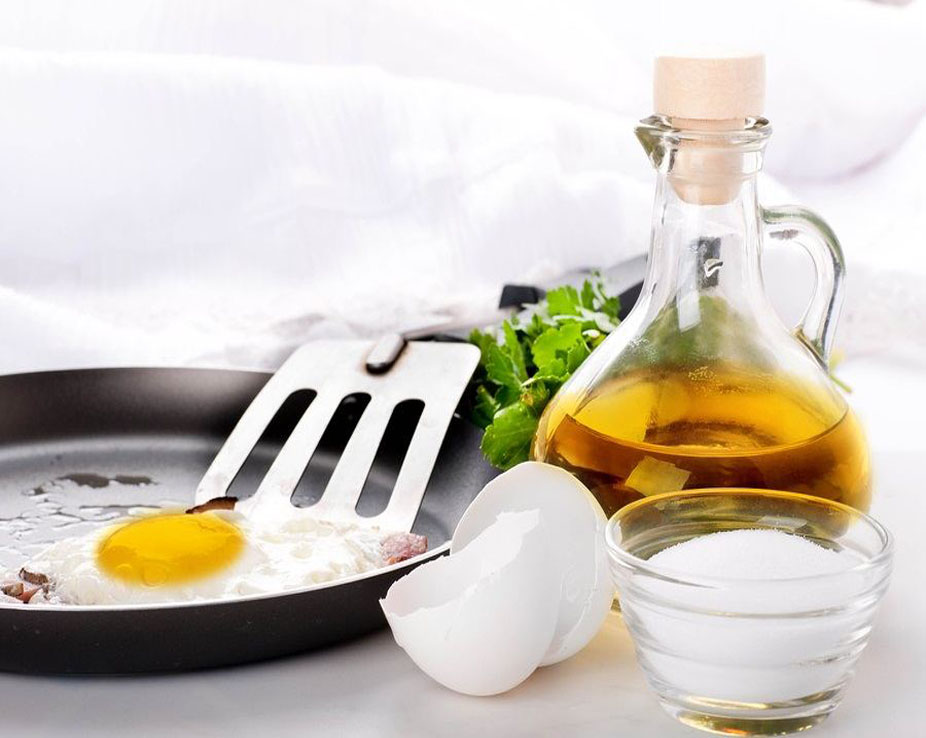
COOKING OILS
There are many types of oil or fat derived from animal or plant sources that we can use in cooking. Some of the most common oils are vegetable-based, but these have recently come under fire as less healthy than previously thought.
With an endless array of products on the shelf and aisles of choice, it’s no wonder consumers are struggling to identify the best cooking oil. What are the facts about vegetable oils?
Myth : Extra-virgin olive oil can be used for all cooking needs
Olive oil is a class favourite and has been given a great rap by consumers and health specialists. With no chemicals or industrial refinement, it is easy to assume this product would be a great option for all your cooking needs, but the reality is olive oil has its limits. It is great as a salad dressing and perfect for bread dipping and drizzling over your dishes, but if you heat it in high temperatures, the vitamin E and polyphenolic compounds are compromised
Myth : Unrefined oils are the only healthy option
The general consensus is that unrefined oils are best, but refined oil should not be disregarded. Refined cooking oil has a unique composition that can offer extended health benefits when formed through a non-chemical process, like expeller-pressing.
Extreme pressure is used to extract the oil from raw materials such as nuts and seeds which can be used in place of external heat and chemicals.
When these nut-based oils are expeller-pressed they become potentially less of a trigger for allergies.
Myth : When cooking, all fat is unhealthy
“People underestimate the importance of dietary fats. They play a vital role in a balanced diet and can impart a wide range of positive health benefits.For a long time coconut oil was frowned upon for its high fat content, but some fats are essential to a healthy diet.
The trick to finding the healthiest option lies in the type of fatty acid. Medium Chain Triglycerides (MCTs) are a unique form of dietary fat than Long Chain Fatty acids (LCTs).
These MCTs provide consumers with a natural energy boost that can increase vital ketones and strengthen a person’s immune system and metabolism. The accelerated rate of metabolic conversion means fat isn’t stored but converted into fuel for immediate use by the body.”
Myth : Because palm oil contains saturated fat, it’s also not good for our bodies.
Saturated fat was wrongly demonized. It has specific nutritional functions. It’s important for the brain, it stands up to heat and oxidation, and when it comes from sustainable plant foods like palm and coconut, you have absolutely nothing to fear from it. In fact, it has an overall beneficial effect on blood cholesterol, raising HDL and lowering the pro-inflammatory fractions of LDL.
Myth : There’s not enough difference between healthier oils and the less expensive ones, to justify the cost.
Yes these oils may be a little bit more money, but you use less of them. So technically, they wind up being the same cost. Plus, you get a better flavor profile, a richer mouth feel. You’ll get more nutrients. And you will have that important omega-3/omega-6 balance.
Generally, vegetable oils are made from a mix of soybean, corn, sunflower and safflower oils. The process of extraction involves many chemicals, and some manufacturers add coloring or bleach the oil to make it looks more appealing and uniform. Effectively, it's a highly processed food product. This alone is a red flag when discussing nutrition, as whole foods offer more beneficial nutrients without added ingredients.
Omega 3 : Omega 6
In terms of content, vegetable oils contain high levels of polyunsaturated fats. Unsaturated fats are the heart-healthy type; however, the breakdown of these fats is what may be detrimental. two types of unsaturated fatty acids that are essential, which means that we need them, but the body can't synthesize them. These are the omega-3 and omega-6 fatty acids, which are named for their chemical structure. So we need both, and both have benefits, and ideally we would consume the two in a low ratio, as close to 1:1 as possible. Having this balance is vital, because omega-3 fatty acids are anti-inflammatory while omega-6s are pro-inflammatory. We do need some inflammation, but long-term, chronic inflammation is damaging.
Unbalanced levels of omega-6 to omega-3 fats have been correlated with increased chronic inflammation, autoimmune disease, cancer, and cardiovascular disease. An easy way to prevent this is to reduce omega-6 fatty acid intake.
Oils with the highest amount of omega-6 include corn, sunflower, soybean and cottonseed. Olive and palm oils, as well as saturated fats like butter, contain very little omega-6s.
DIETARY INERVENTION
- Try switching to various your cooking oils
- You can even blend and use oils.
- Reheating oils for as many times, increases the oxidation leading to health issues on a long run.
Copyright © 2018