<
DIETARY TIPS
Nutrition Therapy for Autism Patients
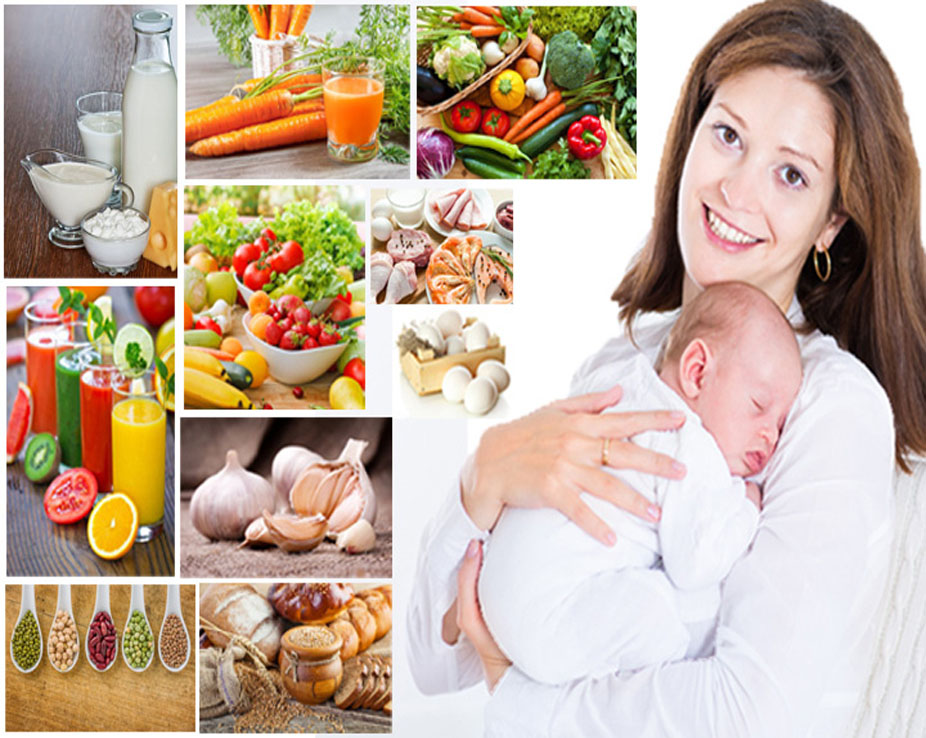
If you are breastfeeding, the food you eat helps your baby grow strong and healthy. Good eating habits and exercise will help you lose the weight you gained. After you have your baby, it is important to take care of yourself and eat nutritious foods.
Eat foods that have protein such as milk, cheese, yogurt, meat, fish and beans. Protein rich foods are important to help you recover from childbirth and keep your body strong.
Exercise helps you,
- Lose the weight you gained during pregnancy.
- Reduce backaches, constipation and bloating.
- Promotes better sleep.
- Walking is a great way to exercise because it puts very little stress on your body. Try walking briskly for 20-30 minutes every day or at least 3 times per week. Women need 2 to 3 litres of water a day in the postpartum period to heal and to produce milk.
Iron
For many postpartum mothers, getting enough iron is a big tough. Pregnancy often depletes a woman’s iron stores and bleeding during and after birth can further deplete her stores, so replenishing iron is important to healing in the postpartum and to preventing anaemia.
DIETARY INTERVENTION
- Warm foods always.
- Soups, stews.
- Garlic.
- Fermented foods, such as yogurt. These foods promote “good” gut flora and may help prevent colic and the development of allergies in babies.
- Beans, such as kidney beans, soya bean.
- Meats, Nuts and Eggs.
- Fruits, especially black grapes, plums, cherries.
- Veggies such as tomatoes, beets, yams, spinach, sweet potatoes, leafy greens, avocado.
- Avoid cold, processed and high-sugar foods as well as dairy, and peanut butter (at least for the first few days as these are hard to digest).
Copyright © 2018