DIETARY TIPS
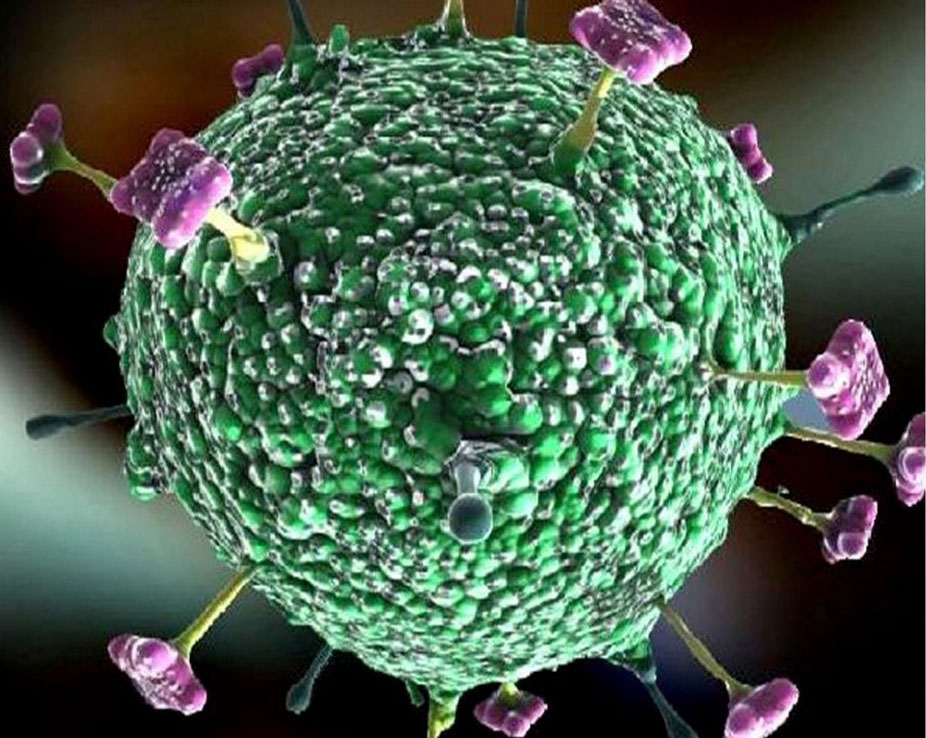
NIPAH VIRUS
- Nipah virus (NiV) is a zoonotic virus (it is transmitted from animals to humans) and can also be transmitted through contaminated food or directly between people.
- In infected people, it causes a range of illnesses from asymptomatic (subclinical) infection to acute respiratory illness and fatal encephalitis.
- The virus can also cause severe disease in animals such as pigs, resulting in significant economic losses for farmers.
- Nipah virus infection in humans causes a range of clinical presentations, from asymptomatic infection (subclinical) to acute respiratory infection and fatal encephalitis.
- Fruit bats of the Pteropodidae family are the natural host of Nipah virus.
Signs and symptoms
Human infections range from asymptomatic infection to acute respiratory infection (mild, severe), and fatal encephalitis.
Infected people initially develop symptoms including fever, headaches, myalgia (muscle pain), vomiting and sore throat. This can be followed by dizziness, drowsiness, altered consciousness, and neurological signs that indicate acute encephalitis. Some people can also experience atypical pneumonia and severe respiratory problems, including acute respiratory distress. Encephalitis and seizures occur in severe cases, progressing to coma within 24 to 48 hours.
The incubation period (interval from infection to the onset of symptoms) is believed to range from 4 to 14 days. However, an incubation period as long as 45 days has been reported.
Diagnosis
Initial signs and symptoms of Nipah virus infection are nonspecific, and the diagnosis is often not suspected at the time of presentation. This can hinder accurate diagnosis and creates challenges in outbreak detection, effective and timely infection control measures, and outbreak response activities.
Treatment
There are currently no drugs or vaccines specific for Nipah virus infection although WHO has identified Nipah as a priority disease for the WHO Research and Development Blueprint. Intensive supportive care is recommended to treat severe respiratory and neurologic complications.
- Reducing the risk of animal-to-human transmission.
Gloves and other protective clothing should be worn while handling sick animals or their tissues, and during slaughtering and culling procedures. As much as possible, people should avoid being in contact with infected pigs. In endemic areas, when establishing new pig farms, considerations should be given to presence of fruit bats in the area and in general, pig feed and pig shed should be protected against bats when feasible. - Reducing the risk of human-to-human transmission.
Close unprotected physical contact with Nipah virus-infected people should be avoided. Regular hand washing should be carried out after caring for or visiting sick people.
If a family member is infected, what to do next?
- Immediately hospitalise the family member.
- Avoid direct contact -- shaking hands, physical contact and use of patient's personal items.
- Do not consume fresh fruits, date palm and other poorly washed fruits/half consumed fruits.
- Learn about the possible mental symptoms and confusion etc. Be sympathetic and provide emotional support.
What are the dos and don'ts to follow?
As of now, there is no particular vaccine available purely for the treatment of Nipah Virus. The only way to treat this virus is through intensive supportive care.
Detection is another issue with NiV and anyone who feels the symptoms should get tested thoroughly from a recognized facility.
Avoiding direct contact with infected pigs, bats and humans in endemic regions should be practiced.
If you feel uneasiness when in and around an infected region, get yourself tested immediately!
BEWARE
- Do not eat partly consumed fruits
- Avoid mangoes
- Avoid raw date palm
- Eat only properly washed fruits
- Maintain personal hygiene.
Copyright © 2018