DIETARY TIPS
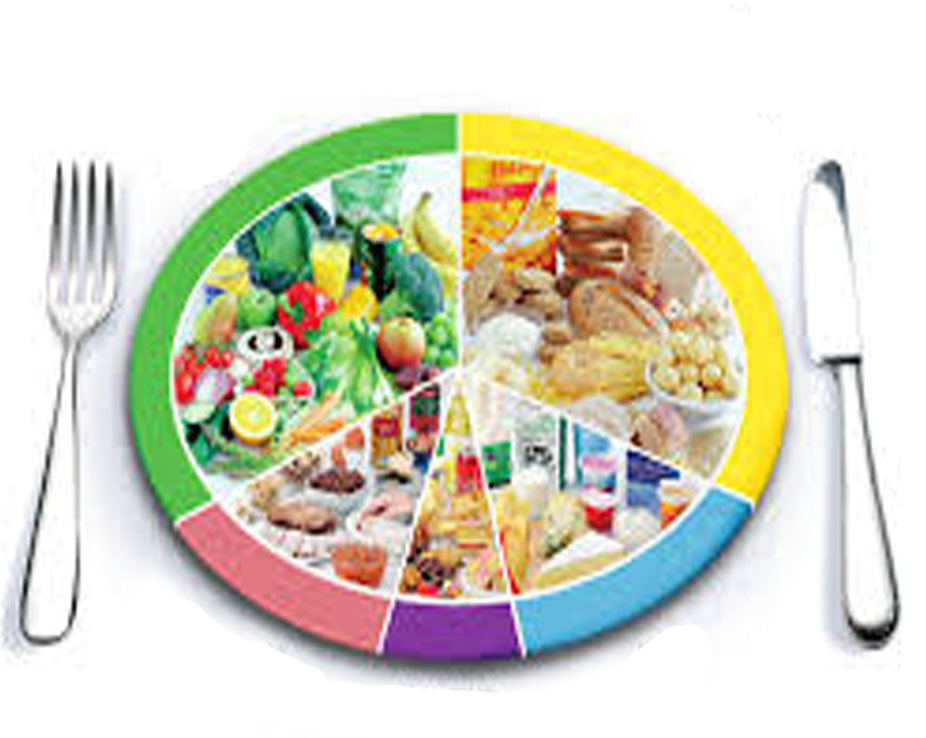
THE VEGAN PLATE
Well-planned vegan diets contain all the nutrients we need to remain strong and healthy. When people go vegan, they often eat more fruit and vegetables, and enjoy meals higher in fibre and lower in saturated fat.
Plant-based diets can help reduce your risk of disease and provide you with all the protein, minerals and vitamins your body needs.
Vegetarians don't eat meat, poultry or seafood. However, there are different types of vegetarian diet:
- Lacto-ovo vegetarians eat eggs and dairy products.
- Vegans don’t eat any animal products, including honey and gelatine.
The Vegan Plate shows that sources of calcium are found in many food groups. It draws attention to the importance of beans, lentils, chickpeas, nuts and seeds in a healthy diet. The Vegan Plate also highlights that it is essential to get enough vitamin B12, vitamin D, omega-3 fat and iodine. You will notice that there is no mention of high fat, high sugar processed foods. There are many animal-free items that fall into this group, but they are not an essential part of a varied and balanced vegan diet. Limiting your intake of processed food will help you to maximise the quality of your diet.
Vegan lifestyle guide
The tips below will help you to get the most out of your vegan lifestyle:
- Make sure that your diet contains a variety of fruit and vegetables – eat a rainbow!
- Choose higher fibre starchy foods, such as oats, sweet potato, wholemeal bread, whole-wheat pasta and brown rice.
- Include good sources of protein in most meals, such as beans, lentils, chickpeas, tofu, soya alternatives to milk and yoghurt, or peanuts
- Eat nuts and seeds daily, especially those rich in omega-3 fat.
- Eat calcium-rich foods daily, such as calcium-fortified products and calcium-set tofu.
- Ensure that your diet contains a reliable source of vitamin B12 (seaweed)
- Use small amounts of spread and oil high in unsaturated fats, such as vegetable and olive oils
- Season food with herbs and spices instead of salt
- Drink about six to eight glasses of fluid a day
- Maintain a healthy weight, or lose some weight if it is above the healthy range.
- Vegan diets can provide zinc at levels close to or even higher than the RDA. Zinc is found in grains, legumes, and nuts.
Common Vegan Foods
Oatmeal, stir-fried vegetables, cereal, toast, orange juice, peanut butter on whole wheat bread, fruit desserts, lentil soup, salad items like chickpeas and bean salad, dates, apples, macaroni, fruit smoothies, popcorn, spaghetti, vegetarian baked beans, chili.
Copyright © 2018